Quick Takeaways
- Use clear, actionable cues for effective coaching.
- Focus on body mechanics to enhance form.
- Incorporate cues that promote safety and efficiency.
Understanding the Basics of Squat and Deadlift
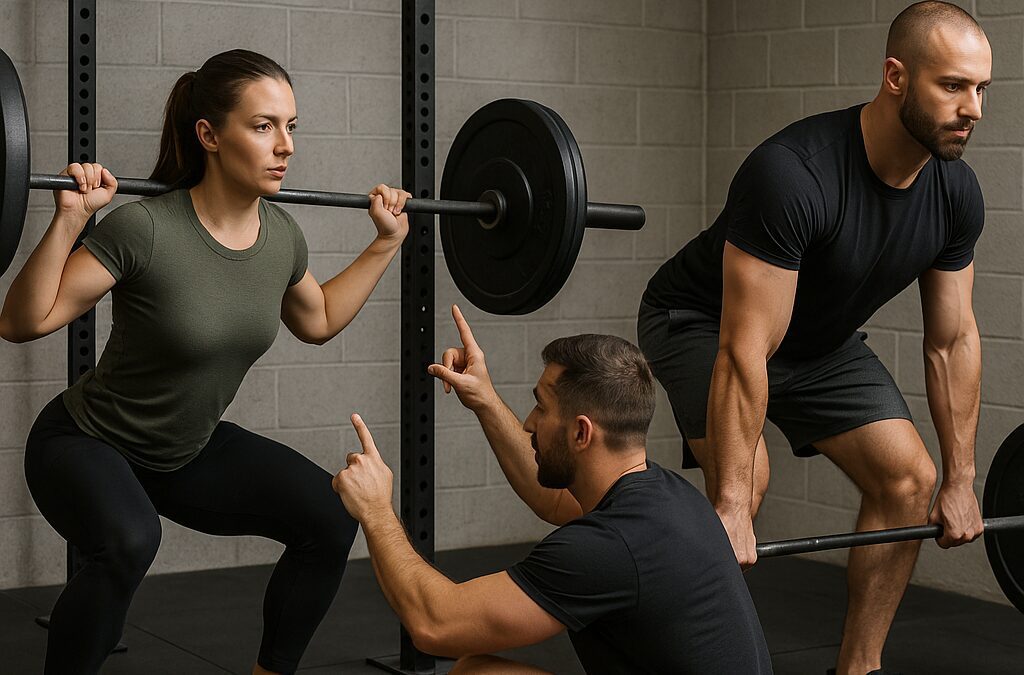
Squats and deadlifts are fundamental lifts in strength training. They engage multiple muscle groups, making them essential for building strength and stability. However, proper form is crucial to prevent injuries and maximize performance. As a personal trainer or coach, your role is to guide your clients effectively.
Why Coaching Cues Matter
Coaching cues are concise phrases that help lifters understand the movements they need to perform. Effective cues can lead to better technique, enhanced safety, and improved lifting outcomes. Therefore, it’s essential to choose cues that resonate with your clients.
Common Squat Cues
Here are several effective cues to improve squat form:
- “Sit back”: This cue encourages clients to push their hips back instead of bending at the knees.
- “Keep your chest up”: Maintaining an upright torso helps prevent forward leaning, which can lead to back strain.
- “Knees out”: This reminder helps to keep the knees aligned with the toes, reducing the risk of injury.
- “Drive through your heels”: This cue promotes power through the legs and helps maintain balance.
Effective Deadlift Cues
For deadlifts, consider using these coaching cues:
- “Chest up, shoulders back”: This cue ensures proper posture and reduces strain on the lower back.
- “Push the ground away”: This encourages the lifter to engage their legs while lifting.
- “Bracing your core”: A strong core stabilizes the spine during the lift, promoting safety.
- “Hips and shoulders rise together”: This maintains structural integrity during the lift.
Comparison of Squat and Deadlift Cues
| Squat Cues | Deadlift Cues |
|---|---|
| “Sit back” | “Chest up, shoulders back” |
| “Keep your chest up” | “Push the ground away” |
| “Knees out” | “Bracing your core” |
| “Drive through your heels” | “Hips and shoulders rise together” |
Tips for Implementing Cues
When using cues, it’s important to tailor them to each individual’s needs. Start by observing your client’s form and then apply the relevant cues. Here are some strategies:
- Be specific: Use cues that are clear and concise.
- Be consistent: Use the same cues across sessions for better understanding.
- Encourage feedback: Ask your clients how the cues feel and adjust as needed.
Understanding Client Feedback
Listening to your clients is key to effective coaching. Encourage them to provide feedback on which cues resonate most. This collaboration fosters a more productive training environment and helps you refine your coaching techniques.
FAQs
What are coaching cues?
Coaching cues are concise phrases that guide athletes in performing exercises correctly and safely.
How can I improve my clients’ squat and deadlift form?
Focus on concise coaching cues, observe their form, and provide constructive feedback for improvement.
Why is proper form important in squats and deadlifts?
Proper form reduces injury risk and maximizes effectiveness, ensuring clients get the most out of their workouts.
Internal Links
For more resources, check out our directory of trainers at CoachDigger and explore more tips on our blog.
Conclusion
Utilizing the right coaching cues can significantly enhance your clients’ performance in squats and deadlifts. By focusing on specific phrases that promote safety and efficiency, you can help them achieve their fitness goals effectively. Don’t hesitate to adapt your approach based on feedback, as this will lead to ongoing improvement in your coaching methods.