
Quick Takeaways
- Recovery is crucial for athletic performance.
- Incorporate active recovery and rest days.
- Nutrition plays a vital role in recovery.
- Listen to your body to avoid injuries.
The Importance of Recovery
As an athlete training five days a week, recovery is just as important as your workouts. It allows your body to repair, rebuild, and strengthen. Without adequate recovery, you risk injuries and fatigue, which can hinder your performance.
A proper recovery routine can boost your athletic performance significantly. It helps to restore muscle strength while preventing overtraining. Moreover, it helps maintain mental freshness, which is vital for your success.
Components of an Effective Recovery Routine
There are several key elements that you should incorporate into your recovery routine:
- Sleep: Aim for 7-9 hours of quality sleep each night.
- Nutrition: Focus on a balanced diet rich in proteins, carbs, and healthy fats.
- Hydration: Adequate water intake is essential before, during, and after training.
- Active Recovery: Include rest days with light exercises like walking or yoga.
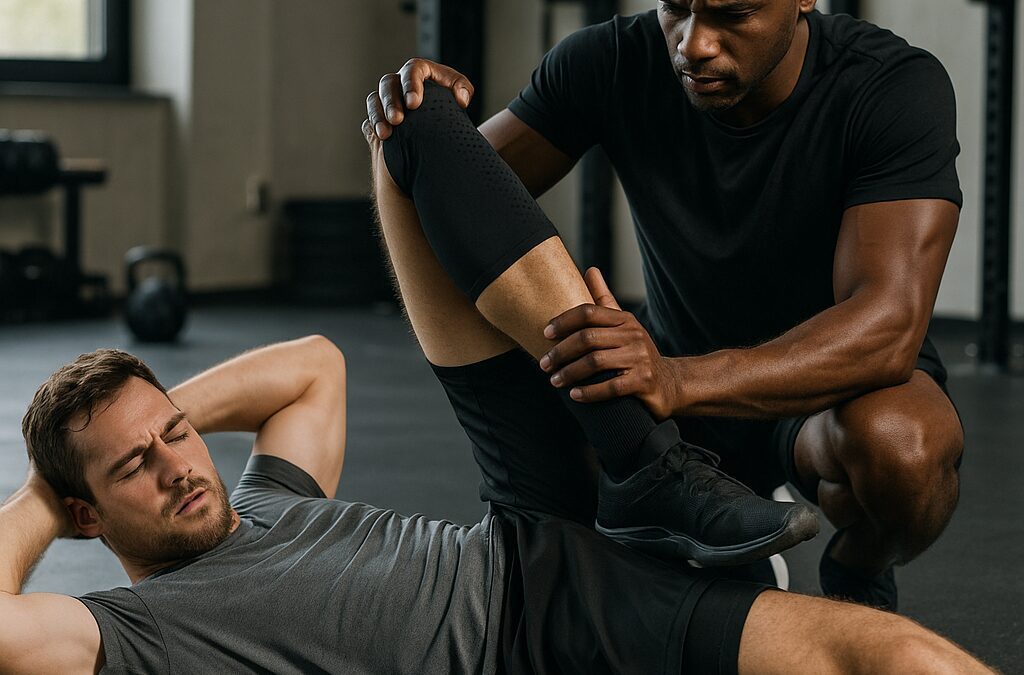
- Stretching and Mobility: Incorporate flexibility exercises to improve range of motion.
- Use Recovery Tools: Foam rollers, massage guns, and compression gear can aid recovery.
Nutrition for Recovery
Nutrition plays a vital role in recovering from your workouts. Consuming the right nutrients after training can help speed up muscle recovery and replenish energy stores.
Macronutrients and Their Roles
| Macronutrient | Role in Recovery |
|---|---|
| Proteins | Repair and rebuild muscle tissue |
| Carbohydrates | Restore glycogen levels |
| Fats | Provide sustained energy |
After training, aim to consume a meal that includes a good mix of these macronutrients. For instance, a protein shake with a banana can be an excellent post-workout snack.
Active Recovery Techniques
Active recovery can help maintain blood flow to your muscles and reduce soreness. Consider activities like:
- Walking
- Light cycling
- Swimming
- Yoga or stretching sessions
These activities should be performed at low intensity, allowing your body to recover while staying active. Additionally, they can break the monotony of your training routine.
Preventing Sports Injuries
Injuries can set you back significantly. Follow these tips to minimize the risk:
- Warm up properly before workouts.
- Cool down and stretch post-training.
- Listen to your body and take rest days if needed.
- Consult a coach for guidance on technique and form.
Creating Your Recovery Schedule
Design your recovery routine around your training schedule. A basic weekly plan could look like this:
- Monday: Intense Training
- Tuesday: Moderate Training + Light Yoga
- Wednesday: Intense Training + Foam Rolling
- Thursday: Active Recovery (Walking or Swimming)
- Friday: Intense Training
- Saturday: Rest Day
- Sunday: Active Recovery
Final Thoughts
A well-structured recovery routine is essential for athletes training five days a week. By focusing on rest, nutrition, and active recovery, you can stay strong and injury-free. Remember, recovery is not a luxury; it’s a necessity for peak performance.
FAQs
1. How much sleep do athletes need for recovery?
Aim for 7-9 hours of sleep each night to promote recovery and overall health.
2. What should I eat after a workout?
Post-workout meals should include proteins and carbohydrates, like a shake with fruit or a balanced meal.
3. How can I improve my active recovery?
Incorporate low-intensity activities such as walking or swimming to enhance blood flow and reduce soreness.
4. Is stretching important for recovery?
Yes, stretching improves flexibility and range of motion, which can aid recovery.
Internal Links
Explore more on personal trainers and gyms at CoachDigger Places, or read more insightful articles on CoachDigger Blog.
External Resources
For more information on physical activity and recovery, visit the American College of Sports Medicine or the World Health Organization’s physical activity page.