
Quick Takeaways
- Optimize your online presence with a professional website.
- Leverage social media to engage and connect with potential clients.
- Utilize email marketing for client retention and follow-ups.
- Create valuable content that reflects your expertise.
- Offer free trials to convert potential clients into paying customers.
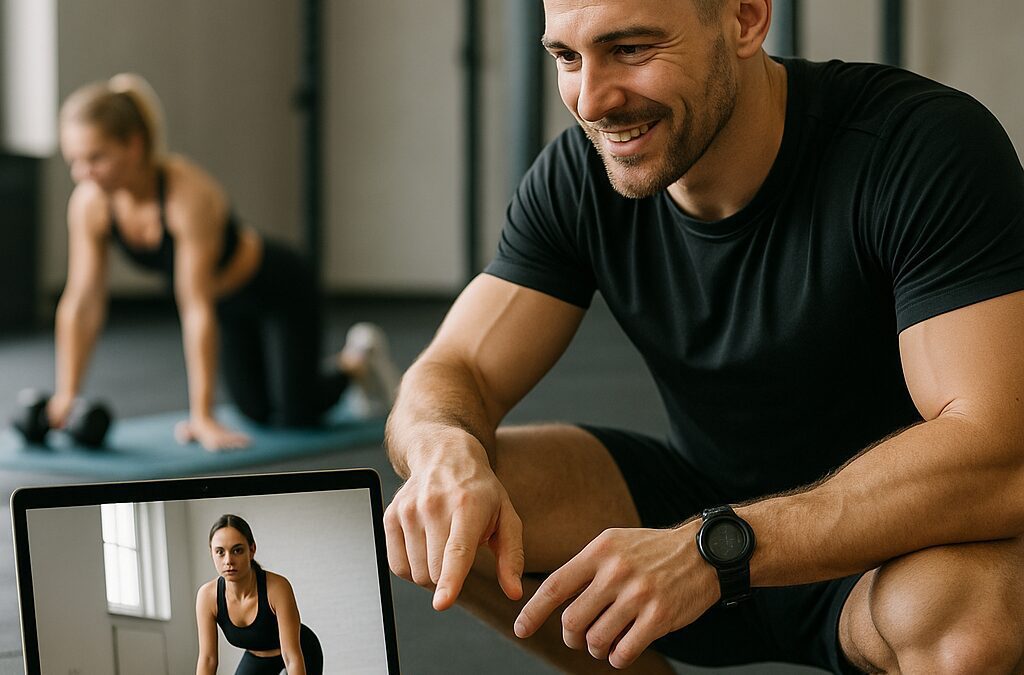
In today’s digital landscape, personal trainers and sports coaches need modern strategies to attract more online clients. The rise of virtual coaching is reshaping the fitness industry, providing new opportunities for both trainers and clients. Therefore, leveraging the right tactics can significantly enhance your client base.
AI Quick Answer
To attract online clients, personal trainers should optimize their presence on social media, create engaging content, and use targeted marketing strategies. This approach not only builds credibility but also fosters client relationships.
Who This is For
- Personal trainers looking to expand their client base online.
- Sports coaches seeking innovative ways to connect with clients remotely.
- Fitness professionals aiming to enhance their digital marketing skills.
- Individuals interested in building a successful online coaching business.
1. Optimize Your Online Presence
Your website is your digital storefront. Ensure it is user-friendly and professional. Include testimonials to build trust. A blog featuring fitness tips can attract organic traffic and showcase your expertise.
2. Utilize Social Media Platforms
Engagement is key. Use platforms like Instagram, Facebook, and TikTok to connect with potential clients. Share workout videos, success stories, and nutrition tips. Consistent interaction helps build a community around your brand.
3. Invest in Digital Marketing
Running targeted ads can reach a larger audience. Use Facebook and Google Ads to promote your services. Make sure your ads clearly communicate your unique selling points.
4. Offer Free Trials
Free trials can convert interested individuals into paying clients. Provide a sample workout or consultation. Once they experience your training, they’re more likely to commit.
5. Create Valuable Content
Blogging, vlogging, and podcasting are excellent ways to share knowledge. Create content that addresses common fitness challenges. This positions you as an authority and attracts clients seeking expertise.
6. Leverage Email Marketing
Email remains a powerful tool for client retention. Send newsletters with fitness tips, motivational quotes, and special offers. Personalized emails encourage clients to stay engaged.
7. Build a Strong Personal Brand
Your brand reflects your values and services. Be consistent in your messaging and visuals across all platforms. A strong brand helps you stand out in a crowded market.
8. Connect with Other Professionals
Network with other fitness professionals. Collaborations can expand your reach. Partnering for workshops or classes can introduce you to new audiences.
9. Use Client Testimonials and Success Stories
Showcase your success stories on your website and social media. Real-life transformations resonate with potential clients and encourage them to choose you for their fitness journey.
10. Analyze and Adapt
Regularly analyze your strategies. Use analytics tools to assess what’s working. Adapt your tactics based on data to improve client acquisition continuously.
Comparison Table: Online Coaching Strategies
| Strategy | Pros | Cons |
|---|---|---|
| Social Media Engagement | Wide reach, community building | Time-consuming, requires consistency |
| Email Marketing | Direct communication, cost-effective | Requires a quality email list, can be ignored |
| Free Trials | Converts interested clients | May attract non-serious inquiries |
FAQs
How can I measure my online client acquisition? Use tools like Google Analytics to track website traffic and conversion rates. Monitor social media engagement metrics as well.
Is social media necessary for personal trainers? Yes, it is crucial for visibility and client engagement in today’s market.
What are the best platforms for online coaching? Consider using platforms like Zoom, Google Meet, or specific fitness apps that suit your training style.
Internal Links
For more resources, check out our directory of personal trainers or explore the CoachDigger blog for more insights.
External Links
For additional guidance, visit the ACSM’s exercise resources or the WHO’s physical activity guidelines.